Beyond Passwords: The Industry Shift to Passwordless Authentication
A deep dive into why hardware-based security keys and biometric passkeys are replacing traditional passwords to combat sophisticated phishing attacks.
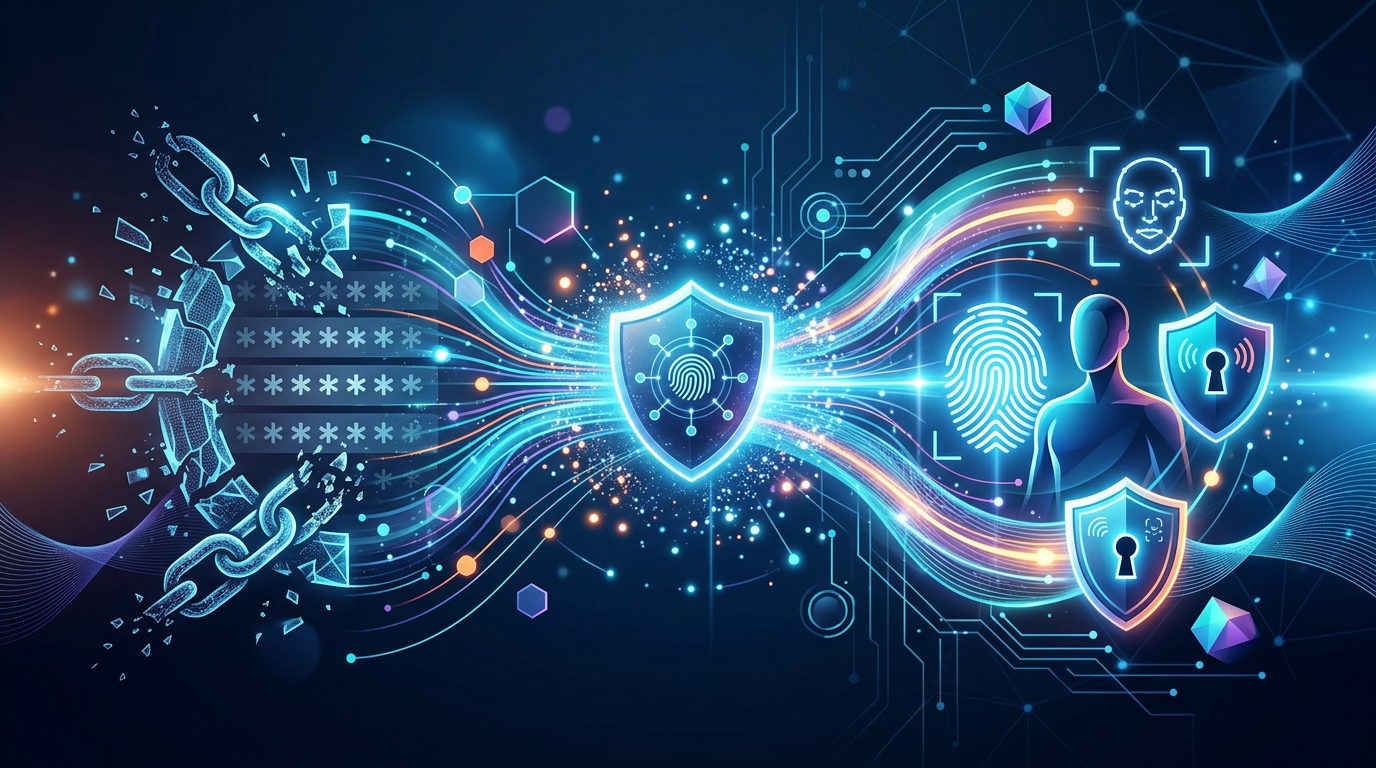
The traditional alphanumeric password, a cornerstone of digital security for over sixty years, is finally reaching its expiration date. As cyber threats evolve and the limitations of human memory clash with complex security requirements, the tech world is witnessing a seismic shift toward passwordless authentication. For businesses and users alike, this isn't just a trend; it's a fundamental reimagining of how we establish trust in a digital-first economy.
In globally connected markets like Kenya, where mobile money and digital banking are the lifeblood of the economy, the transition to more secure methods like custom software development integrated with biometric security is becoming a necessity. The age of "Password123" is dead, and in its place, a more secure, frictionless future is rising.
Key Takeaways 🚀
- Passkeys are set to replace passwords by using public-key cryptography and device-level biometrics.
- Passwords are responsible for over 80% of data breaches, making the shift to passwordless a financial imperative.
- Zero Trust Architecture relies heavily on identity verification that goes beyond static credentials.
- Kenyan businesses can drastically reduce churn and support costs by implementing biometric login flows.
- Adopting modern frameworks from the FIDO Alliance is now the industry gold standard for security.
The Crisis of the Traditional Password
The password was never meant to carry the weight of the modern internet. Originally designed for shared mainframe computers in the 1960s, it has become the weakest link in the cybersecurity chain. Today, the average user manages over 100 sets of credentials, leading to "password fatigue."
This fatigue results in dangerous behaviors: reusing the same password across multiple sites, choosing easily guessable strings, or writing them down in unsecure locations. According to the Verizon Data Breach Investigations Report, 81% of hacking-related breaches leverage either stolen or weak passwords.
For organizations, this translates to massive financial losses. The cost of a data breach in 2024 has hit record highs, but the operational costs—such as the IT help desk time spent on password resets—are equally draining. By moving to a passwordless model, companies can reclaim these lost hours and reinvest them in innovation.
Understanding Passkeys: The Successor to the Password 🔐
You may have noticed Google, Apple, and Microsoft prompting you to "create a passkey." This is the most significant technological leap in authentication in decades. Unlike a password, which is a shared secret between you and a server, a passkey is based on asymmetric cryptography.
When you register a passkey, your device generates a unique cryptographic key pair. The public key is sent to the website, while the private key stays securely on your device (protected by your fingerprint, face ID, or PIN). Because the private key never leaves your device, it cannot be stolen in a server-side data breach.
At Rawlinz Designs, we are increasingly integrating these protocols into our client projects. By architecting systems that natively support WebAuthn standards, we ensure that our Kenyan partners stay ahead of global security trends while offering their users a premium login experience.
Three Main Types of Passwordless Authentication:
- Biometrics: Fingerprint scanners, facial recognition, and iris patterns.
- Possession Factors: Hardware security keys (like YubiKeys) or smartphones acting as authenticators.
- Magic Links & OTPs: Temporary access codes sent via email or SMS (though these are increasingly seen as "intermediate" steps due to SIM-swapping risks).
The Role of Zero Trust in the Passwordless Era
Passwordless authentication is a core pillar of the Zero Trust security model. The philosophy of Zero Trust is simple: "Never trust, always verify." In a traditional network, once you enter a password, you are often granted broad access. In a passwordless Zero Trust environment, identity is verified continuously based on context.
For example, if a user logs in via a passkey from Nairobi at 10:00 AM and then attempts a high-value transaction from an unknown IP address in another country ten minutes later, a Zero Trust system will trigger additional verification layers. This contextual awareness is something a static password simply cannot provide.
"The most secure password is the one that doesn't exist. By removing the human element from the credential, we remove the primary vector for phishing." — Cybersecurity Analyst Insight.
The Economic Impact: Why Businesses Are Switching
Security is often viewed as a cost center, but the shift to passwordless authentication is actually a revenue generator. Consider the e-commerce landscape in Kenya. If a user forgets their password at checkout, there is a high probability they will abandon their cart rather than go through the friction of a reset.
Implementing biometric "one-touch" logins reduces friction, leading to higher conversion rates. Furthermore, it significantly lowers IT overhead. Large enterprises report that nearly 50% of IT help desk tickets are related to password issues. Eliminating these tickets allows technical teams to focus on core product development and business scaling.
At Rawlinz Designs, our goal is to help businesses bridge this gap. Whether you're a startup or an established enterprise, our bespoke software solutions prioritize these modern security standards to protect both your data and your bottom line.
How This Impacts Kenyan Businesses 🇰🇪
Kenya is a global leader in mobile-first innovation, which puts local businesses in a unique position to lead the passwordless charge. However, it also makes us a prime target for increasingly sophisticated phishing attacks.
1. Enhancing Trust in Fintech: As the silicon savannah continues to grow, mobile lending and payment apps must secure user funds. Using biometric API integrations ensures that even if a phone is stolen, the attacker cannot access the financial data without the owner's biometric signature.
2. Compliance with Data Protection Acts: With the Kenya Data Protection Act in full effect, businesses have a legal obligation to protect user data. Adopting passwordless tech demonstrates a "security by design" approach, which is favorable during regulatory audits.
3. Bridging the Digital Literacy Gap: For many Kenyans, complex password requirements (caps, numbers, symbols) are a barrier to entry for digital services. Fingerprint and face ID are intuitive and require no technical training, making your apps more accessible to a wider demographic.
Is MFA Still Relevant?
While passwordless is the goal, Multi-Factor Authentication (MFA) remains a vital transitional step. However, not all MFA is created equal. SMS-based MFA is vulnerable to interception. The industry is moving toward "Phishing-Resistant MFA," which includes hardware keys and device-bound passkeys.
If your business is currently using only a password, adding any form of MFA is an immediate 99% improvement in security. However, the ultimate destination is a system where the "second factor" becomes the "only factor"—making the login process both more secure and faster.
Looking Ahead: The Future of Identity
The journey toward a passwordless world is already in motion. Major browsers and operating systems (Android, iOS, Windows, macOS) now have native support for passkeys. Within the next 24 to 36 months, we expect to see a significant drop in password registrations globally.
For businesses looking to stay competitive, the time to plan this transition is now. Integrating these technologies requires a deep understanding of modern web standards and user experience design. You don't want to just be secure; you want to be usable.
If you're ready to modernize your digital infrastructure, Rawlinz Designs is here to help. From auditing your current security posture to developing secure, high-performance applications, we are Kenya's trusted partner for future-proof technology.
Ready to Secure Your Digital Future?
The transition to passwordless authentication is a complex journey, but you don't have to walk it alone. At Rawlinz Designs, we specialize in building secure, scalable, and user-friendly software that keeps your business and your customers safe.
Don't wait for a breach to happen. Let us help you implement the latest in cybersecurity and passkey technology today.