Anthropic vs. The Pentagon — The AI Lawsuit That Could Change Everything
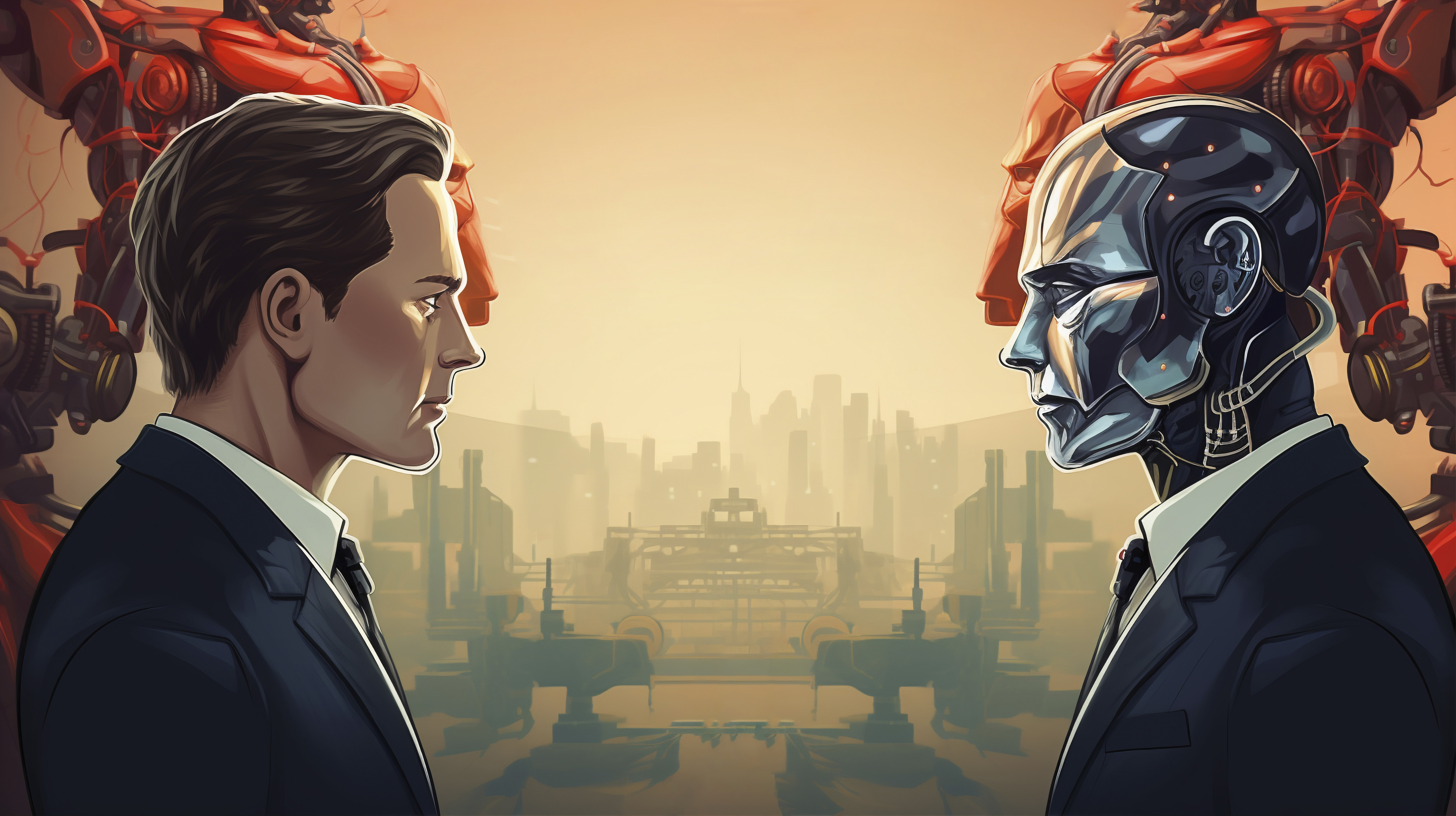
Anthropic built Claude with a mission to make AI safe and beneficial for humanity. The Pentagon chose it for military AI. Then the Trump administration banned it and now Anthropic is suing the US government. Meanwhile OpenAI just signed a military deal. This is the defining AI ethics story of 2026.
Introduction
The AI industry has always had a complicated relationship with the military. Google famously cancelled Project Maven in 2018 after employee protests over building AI for drone targeting. Microsoft, Amazon, and Palantir have all signed significant defence contracts to loud internal dissent. And now, in March 2026, the most significant AI ethics battle yet is playing out in a US federal courthouse.
Anthropic the AI safety company founded by former OpenAI researchers with an explicit mission to build AI that is safe and beneficial for humanity is suing the Trump administration. The reason: the administration blacklisted Anthropic from Pentagon AI contracts, cutting off the company from the US government's single largest AI procurement programme.
And in a story full of extraordinary ironies, OpenAI — Anthropic's most direct competitor has simultaneously signed exactly the kind of military AI deal that Anthropic's founders left OpenAI to avoid.
How We Got Here
Anthropic was initially selected by the Pentagon as its preferred AI partner specifically because of its safety credentials. The US military, dealing with the enormous complexity of deploying AI in sensitive defence contexts, wanted an AI company with rigorous safety practices and transparent governance. Anthropic fit that profile more precisely than any competitor.
Then the Trump administration intervened. Anthropic sues Trump administration over Pentagon blacklist Instagram a headline that would have seemed impossible in 2023 when Anthropic was a safety-focused research lab operating largely outside the political arena.
The blacklisting appears to be part of broader political tensions between the administration and companies perceived as insufficiently aligned with its priorities. Anthropic's safety-first culture, its cautious approach to deployment, and its vocal positions on AI risk have put it at odds with an administration that has pushed for accelerated AI deployment with reduced regulatory friction.
The OpenAI Parallel
The timing could not be more pointed. 'Cancel ChatGPT' trend is growing after OpenAI signs a deal with the US military Glassdoor a headline that captures the backlash from users and observers who believed OpenAI's original mission was fundamentally incompatible with military weapons development.
OpenAI was founded with an explicit non-profit mission: to ensure artificial general intelligence benefits all of humanity. The organisation has since restructured into a capped-profit model and raised hundreds of billions in investment. Its military deal the details of which remain partly classified represents a significant departure from its founding principles in the eyes of many observers.
The contrast between the two companies' situations is striking: Anthropic, which built its entire brand around safety and responsible deployment, is being pushed out of government contracts. OpenAI, which has faced more questions about its governance and mission drift, is signing in.
Why This Matters Beyond the Politics
The Anthropic lawsuit is about more than one company's government contracts. It is a test case for a fundamental question the AI industry has never fully resolved: can safety-focused AI development and government/military deployment coexist?
If Anthropic wins and establishes that a safety-conscious AI company can participate fully in government procurement it creates a framework for responsible AI deployment in sensitive contexts. If it loses, it sends a clear signal that safety-first culture is commercially and politically disadvantageous a chilling message to the entire field.
For the AI safety movement more broadly, this moment is a stress test. The argument that AI can be built responsibly, deployed carefully, and still compete commercially is being challenged simultaneously by a military contract that excludes a safety-focused company and rewards a less constrained competitor.
What This Means for AI Users Globally
For anyone using Claude Anthropic's AI assistant or considering it for business deployment, this story has direct implications. Anthropic's reputation for safety and transparency is precisely what makes Claude attractive for sensitive use cases: legal research, healthcare, financial analysis, customer communications. The company's willingness to take legal action to defend its principles, rather than quietly accepting political pressure, reinforces rather than undermines that reputation.
For Kenyan businesses and organisations evaluating AI tools, the Anthropic vs. Pentagon story is a useful reminder that the AI companies you work with have values and those values have real consequences. The AI tools that will serve your business best are the ones built by companies with coherent, consistent principles. What a company does under pressure tells you more about its values than what it says in a press release.
The Bottom Line
Anthropic built the safest frontier AI model available. The Pentagon chose it. The Trump administration banned it. Now Anthropic is suing the US government to get its seat back at the table.
This is the defining AI ethics story of 2026 and its resolution will shape the relationship between AI safety, AI deployment, and government power for years to come.
Want to build with AI tools from companies you can trust? Talk to rawlinzdesigns.co.ke —we help businesses integrate AI responsibly and build digital products that reflect their values.
Further Reading:
Comments
No comments yet. Be the first to share your thoughts!